Planning11 min read
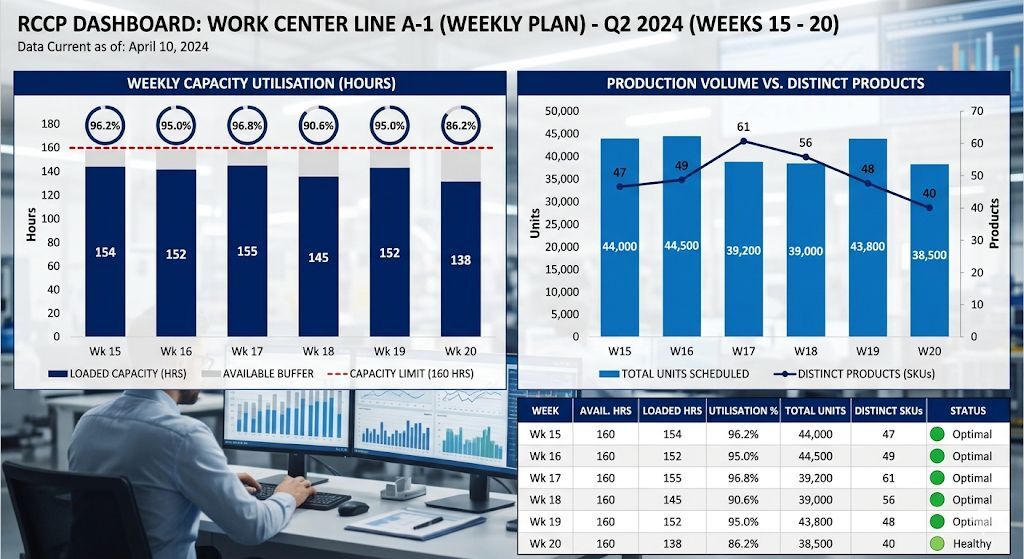
Rough Cut Capacity Planning in Supply Chain Planning
In many companies, and even more in consulting slideware, we still see RCCP treated as if it were a separate function from master planning.
February 25, 2026
Read More
Insights, analysis, and thought leadership on supply chain innovation, digital twins, and the future of operations research.
In many companies, and even more in consulting slideware, we still see RCCP treated as if it were a separate function from master planning.
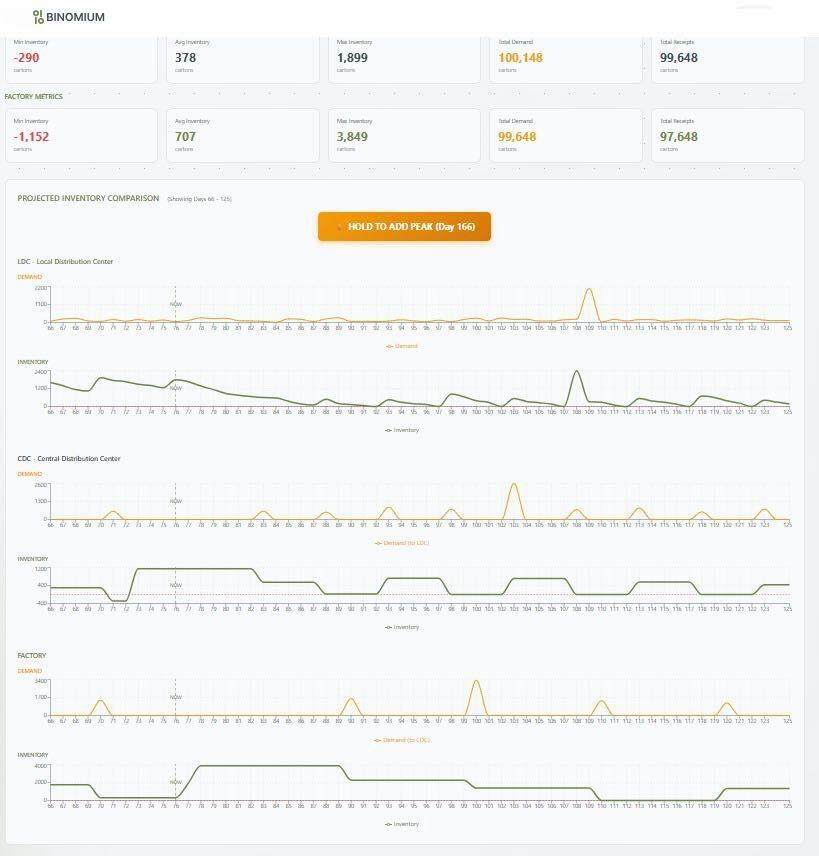
Interactive Supply Chain Planning Explore a live, interactive simulation of multi-echelon inventory management across Factory, CDC, and LDC levels. See how rolling MRP recalculates receipts dynamically while respecting planning time fences.
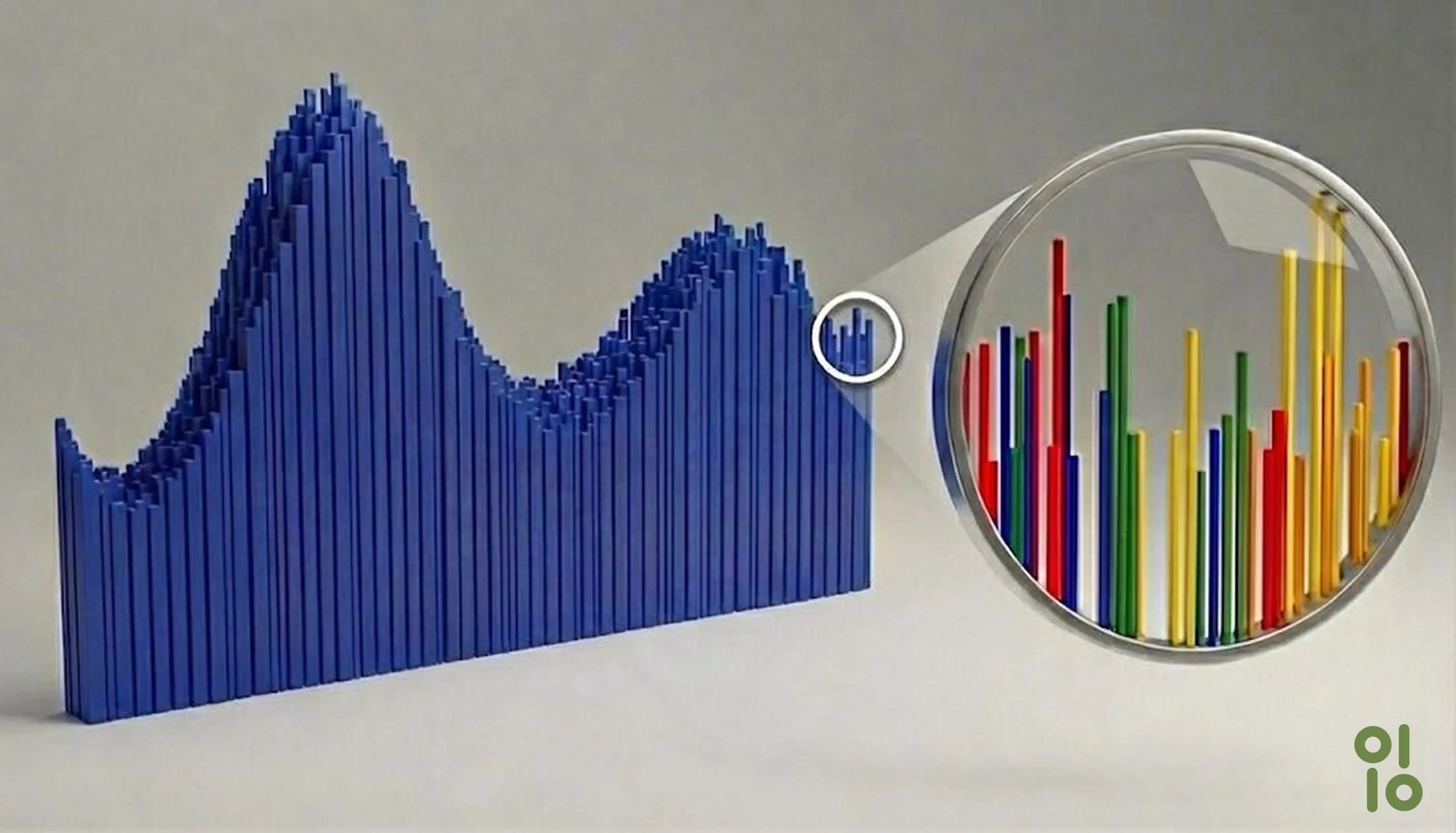
The Uncomfortable Truth Discover why top-down planning fails at execution. Explore the mathematical proof that aggregation is a one-way street and why the disaggregation wall breaks every supply chain plan.

A Planning Lab Analysis Four structural reasons planning initiatives fail before benefits materialize.
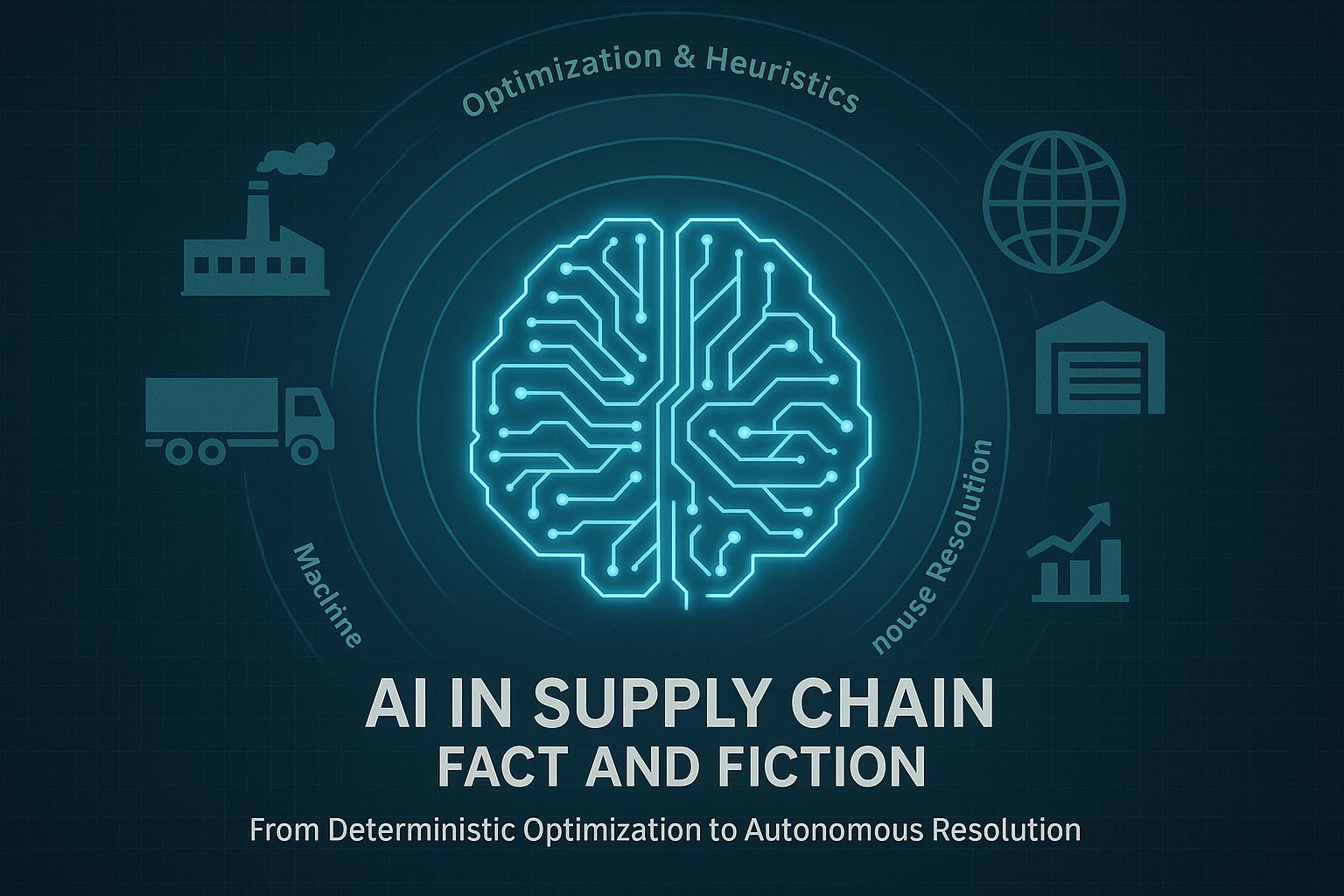
An executive perspective on established practice, incremental advances, and emerging capabilities Artificial intelligence has become a central theme in supply chain management. Executives are presented with a wide range of claims about its potential impact. This note distinguishes between areas where AI extends capability in meaningful ways and areas where its role is overstated.

Every few years, someone declares that consulting as we know it is about to collapse. Every few years, someone declares that consulting as we know it is about to collapse. The latest wave of commentary points to high fees, bloated teams, and the rapid advance of AI as reasons why big consulting firms are on shaky ground.
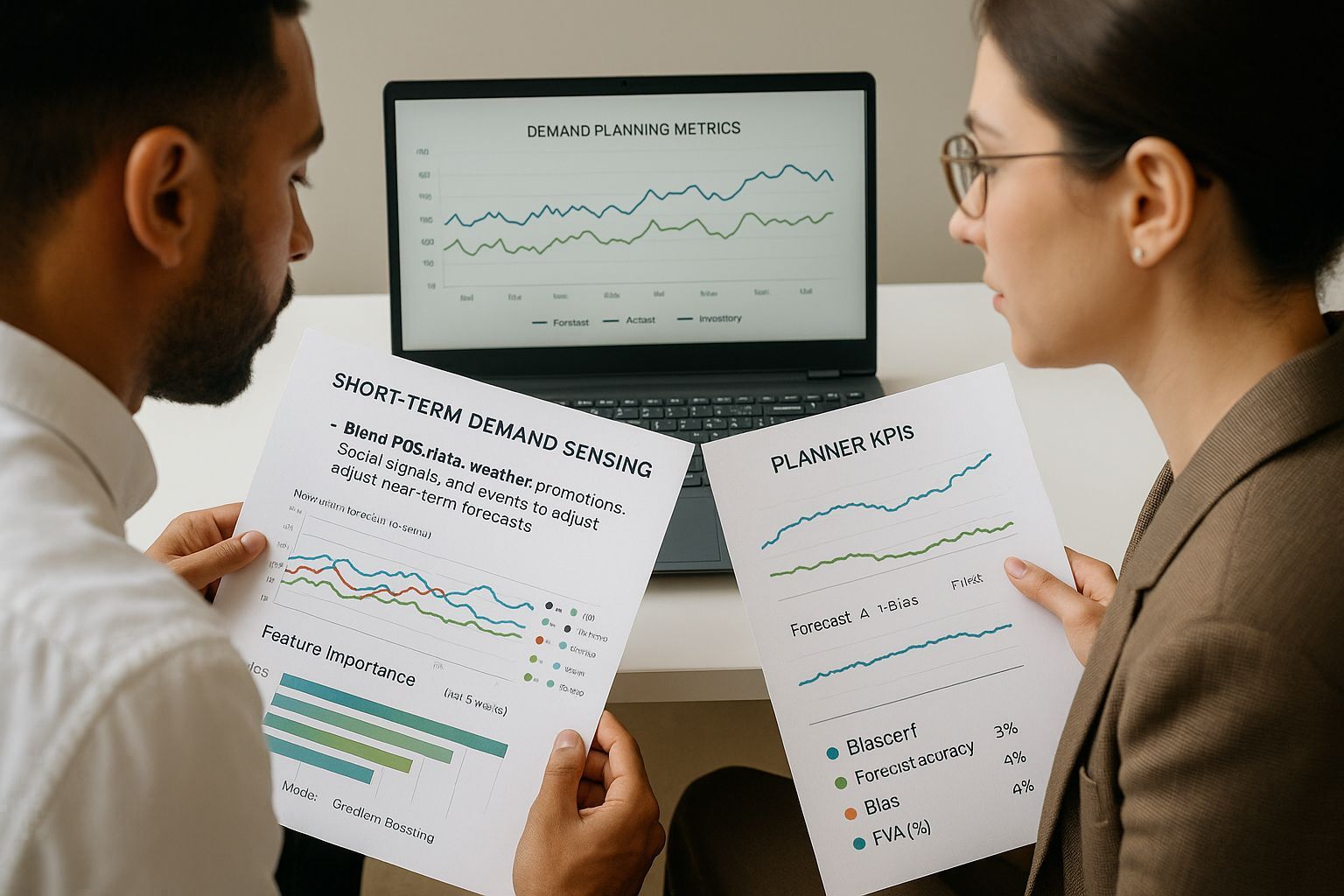
The sustainable model is a partnership between two distinct but complementary skill sets. There's a growing chorus suggesting that demand planners should evolve into data scientists. It's a seductive idea: planners armed with algorithms, seamlessly blending business sense with statistical modeling. But the reality inside most organizations looks very different.
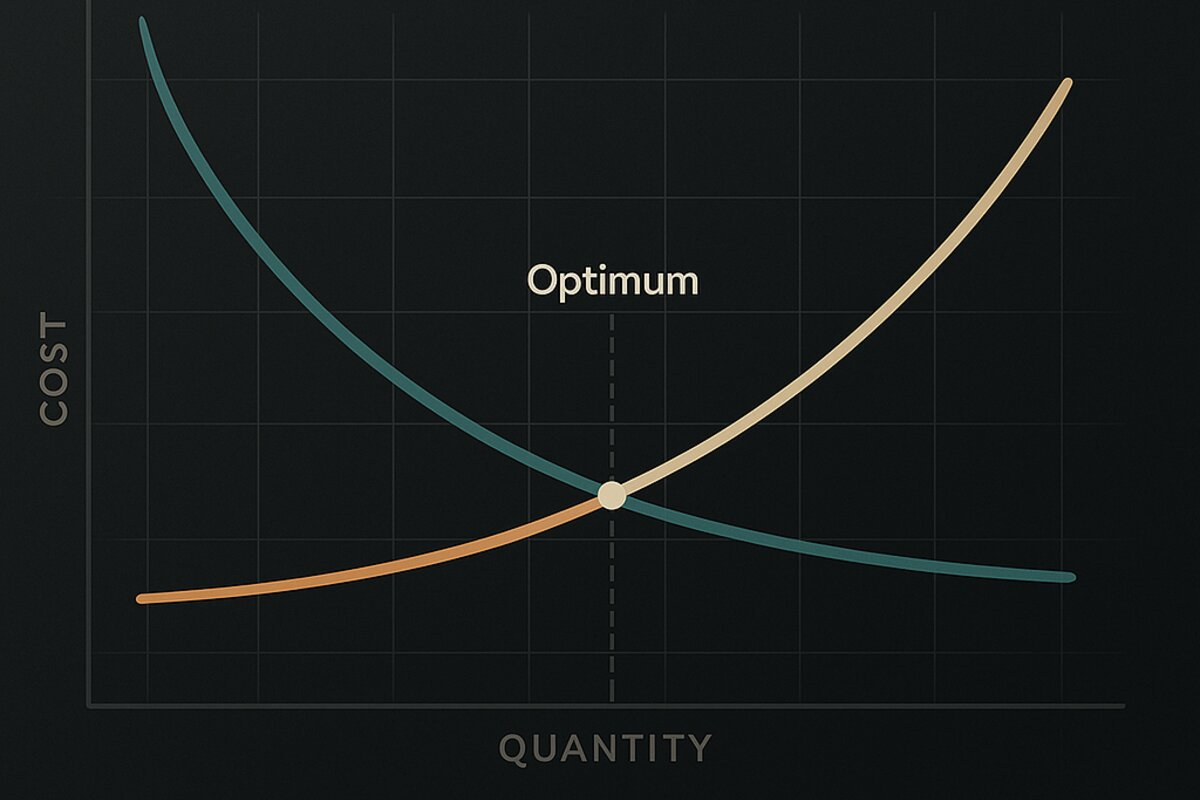
Let's say it clearly: EOQ should never be used in real-world supply chains. It was never designed for it. It is not fit for it. And yet it still lingers in planning processes, software systems, and consulting slide decks. As a mathematician, former production plant director, and supply chain architect, I've spent nearly 20 years in operations. I have never seen a case where EOQ logic produced valid or resilient results. Not one.
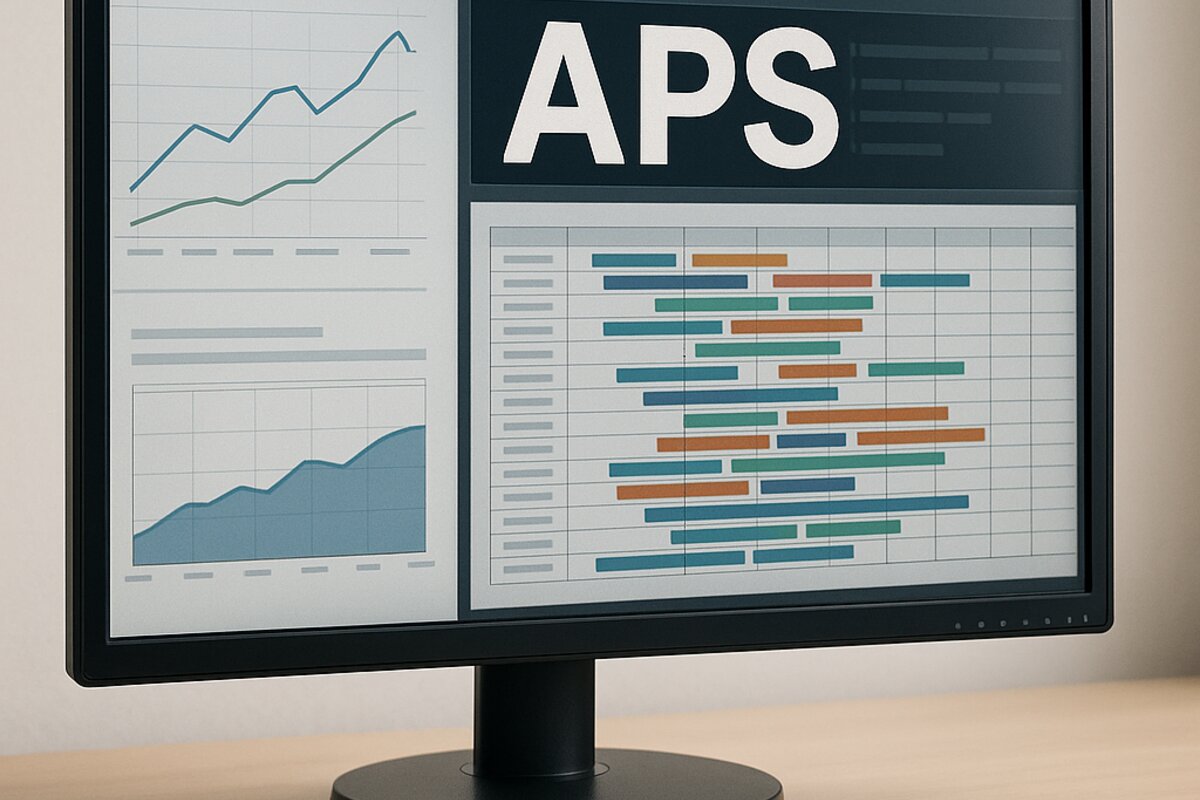
Why Everyone Suddenly Cares About Advanced Planning (and Why S/4HANA Is the Real Trigger) In recent months, the demand for Advanced Planning and Scheduling (APS) solutions has skyrocketed. APS consultants are booked solid, RFPs are flying, and companies are frantically comparing tools like SAP IBP, OMP, Kinaxis, and homegrown platforms.
The Digital Twin Delusion "Digital twin" has become one of the most abused buzzwords in the enterprise software space. ERP vendors promise it. APS systems market it. Consulting firms sell PowerPoints about it. But scratch beneath the surface, and the truth becomes painfully clear